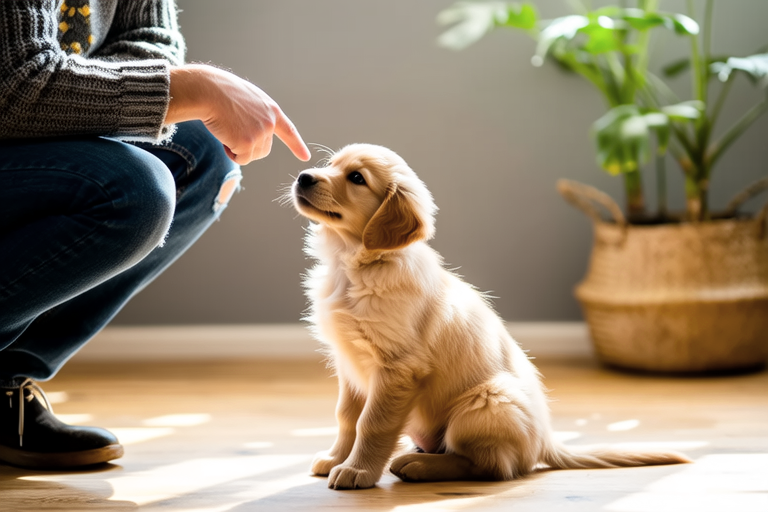
Training Tips for New Labrador Owners: Easy Steps to a Well-Behaved Dog
Welcome to the wonderful world of Labrador ownership! Known for their friendly nature, intelligence, and loyalty, Labradors have earned the title of America’s most popular dog breed. Their versatility makes them excellent companions, service dogs, and family pets. However, their energy and enthusiasm can sometimes lead to challenges in training if not approached correctly. This guide aims to provide you with easy steps and practical tips to help you raise a well-behaved Labrador.
Understanding Your Labrador’s Training Needs
Labradors are eager to please, which makes them ideal candidates for training. They thrive on attention and enjoy learning new things. But their energetic nature means they require consistent guidance and structured training sessions. Establishing clear rules and boundaries from the beginning will ensure your Labrador grows into a well-mannered adult dog.
Basic Obedience Commands
Sit
The ‘sit’ command is one of the first and easiest commands to teach your Labrador. It helps establish control during everyday activities like feeding or greeting guests. To teach this, hold a treat near your Labrador’s nose and slowly move it upwards. As your dog looks up, its bottom should naturally lower to the ground. Once they sit, say “sit” and reward them with praise and the treat. Repeat this several times daily until they respond to the command without the treat.
Stay
The ‘stay’ command teaches your Labrador to remain stationary, even when distractions are present. Begin by having your dog sit. Extend your hand palm outwards while saying “stay.” Take a step back and then return to your dog, rewarding them for staying in place. Gradually increase the distance and duration of the stay. Always end on a positive note to reinforce the behavior.
Come
The ‘come’ command is crucial for safety and recall. Start in a quiet area with minimal distractions. Call your Labrador by name followed by “come.” When they approach, reward them with treats and praise. Practice in different environments and gradually introduce distractions to strengthen the response. Consistency is key here; always reward your Labrador when they come to you.
Heel
The ‘heel’ command teaches your Labrador to walk beside you without pulling. Use a leash for this exercise. Walk forward and encourage your dog to follow. If they start to pull ahead, stop walking and wait for them to return to your side. Once they do, praise and reward them. Repeat this process until they understand that walking beside you is what earns rewards.
The Importance of Socialization
Socializing your Labrador from a young age is vital for their emotional development and overall well-being. Expose them to various people, animals, and environments to build confidence and reduce fear-based aggression. Arrange playdates with other dogs, take them to parks, and introduce them to children and adults. Positive experiences during these interactions will help them grow into well-adjusted adult dogs.
House Training Methods
Consistency is the cornerstone of successful house training. Choose a specific spot outside for bathroom breaks and take your Labrador there regularly. Praise and reward them every time they eliminate in the designated area. Use a verbal cue like “go potty” to associate the action with the location. Be patient and avoid punishing accidents; instead, clean them thoroughly to prevent odour attraction.
Tips for Managing Common Labrador Behaviors
Chewing
Labradors love to chew, but it can become problematic if not managed properly. Provide plenty of appropriate chew toys to redirect their natural chewing instincts. Rotate toys to keep them interesting and supervise your Labrador during playtime. If you catch them chewing on something inappropriate, gently redirect them to a suitable toy and praise them for making the right choice.
Barking
Barking is a Labrador’s way of communicating, but excessive barking can be disruptive. Identify the triggers for your Labrador’s barking and address them. For example, if they bark at strangers, gradually expose them to visitors in controlled settings. Teach the ‘quiet’ command by saying it firmly when they bark and rewarding them when they stop. Patience and consistency are essential in modifying barking behavior.
Establishing Routines
Dogs thrive on routine. Establish a consistent schedule for feeding, walks, playtime, and sleep. This predictability helps your Labrador feel secure and reduces anxiety. Feed them at the same times each day and take them out after meals and naps. Regular exercise also plays a significant role in maintaining good behavior. Aim for at least two walks per day and incorporate playtime to burn off excess energy.
Using Positive Reinforcement
Positive reinforcement is an effective and humane method of training that strengthens desired behaviors through rewards. Use treats, praise, and affection to reward your Labrador for good behavior. The goal is to make training enjoyable for both you and your dog. Avoid punishment, as it can create fear and anxiety, leading to more behavioral issues.
Handling Challenges Unique to Labradors
Labradors are known for their boundless energy and occasional stubbornness. To manage these traits, engage them in regular physical and mental stimulation. Incorporate interactive toys, puzzle feeders, and obedience training sessions. Break down tasks into smaller, manageable steps to avoid overwhelming them. Celebrate small victories to keep training fun and motivating.
Encouragement for New Owners
Raising a Labrador is a rewarding journey filled with love, laughter, and learning. Remember that patience and persistence are key. Every Labrador is unique, and what works for one may not work for another. Stay committed to your training efforts, and you’ll see remarkable progress over time. With the right guidance and care, your Labrador will become a well-behaved and cherished member of your family.
Further Learning Resources
To deepen your understanding of Labrador training and behavior, consider reading books such as ‘The Perfect Puppy’ by Gwen Bailey and ‘How to Be Your Dog’s Best Friend’ by Pamela Dennison and William E. Campbell. Join local dog training classes or online forums to connect with fellow Labrador owners and share experiences. Continued education will enhance your skills and strengthen your bond with your furry friend.
