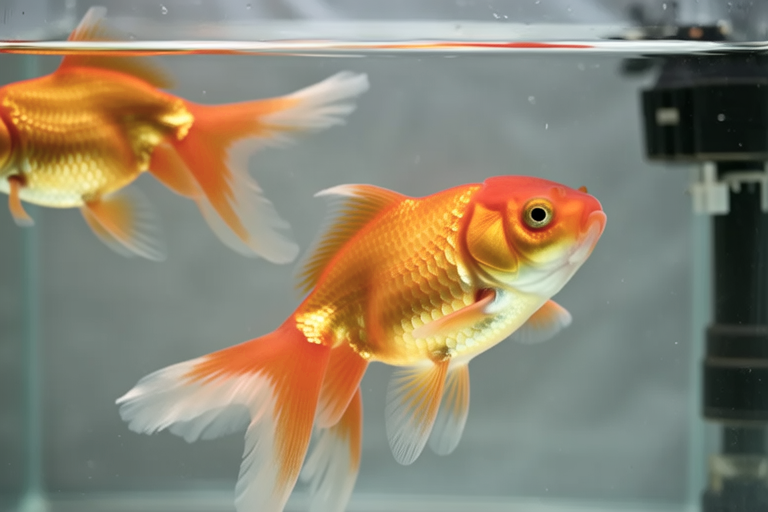
Common Mistakes Pet Owners Make with Their Goldfish
Goldfish are among the most popular choices for first-time pet owners due to their vibrant colors and relatively low maintenance requirements. These charming creatures can bring joy and color to any home, but many owners often underestimate the care needed to keep them thriving. Despite their reputation as simple pets, goldfish have specific needs that must be met for them to live healthy, long lives. In this article, we will explore some of the most common mistakes made by pet owners and provide solutions to ensure your goldfish remain happy and healthy.
Inadequate Tank Size
One of the most frequent mistakes made by goldfish owners is providing an insufficient tank size. Goldfish grow rapidly and can reach lengths of up to 12 inches, depending on the species. A small tank not only restricts their movement but also limits the amount of oxygen available in the water, which can lead to stress and health issues. For a single goldfish, a minimum tank size of 20 gallons is recommended, and for each additional fish, another 10 gallons should be added. This ensures there is enough space for the fish to swim comfortably and allows for better water circulation.
To avoid this issue, always research the expected adult size of your goldfish before purchasing. Additionally, consider upgrading to a larger tank if you notice your fish are swimming near the surface more frequently, which could indicate they are seeking more oxygen.
Poor Water Quality Maintenance
Maintaining good water quality is crucial for the health of your goldfish. Neglecting regular water changes and failing to monitor water parameters like pH, ammonia, nitrite, and nitrate levels can result in toxic conditions that can harm or even kill your fish. Goldfish produce waste continuously, and without proper filtration and regular water changes, the buildup of toxins can lead to diseases and infections.
To maintain optimal water quality, invest in a reliable filter that suits the size of your tank. Perform weekly partial water changes, removing around 25% of the water and replacing it with fresh, dechlorinated water. Regularly test the water parameters and adjust as necessary to ensure they remain within safe ranges. By doing so, you can prevent many health issues and create a stable environment for your goldfish.
Incorrect Feeding Habits
Overfeeding is a common mistake that can lead to obesity and digestive problems in goldfish. While goldfish have hearty appetites, they should be fed no more than what they can consume in two minutes, twice daily. Excess food left uneaten can decompose in the tank, further compromising water quality. On the other hand, underfeeding can lead to malnutrition and stunted growth.
To ensure your goldfish receive a balanced diet, feed them a variety of foods including high-quality commercial pellets, flakes, and occasional treats like frozen brine shrimp or daphnia. Avoid feeding them human food or bread, as these can cause bloating and digestive issues. Monitor your fish’s appetite and adjust the quantity of food accordingly. By providing the right amount of nutritious food, you can help your goldfish stay healthy and active.
Overstocking the Tank
Another mistake is overcrowding the tank with too many goldfish. Each fish produces waste, and an overstocked tank can quickly become unmanageable. Overcrowding leads to increased waste production, making it harder to maintain water quality and increasing the risk of disease outbreaks. It is important to remember that goldfish are social animals, but they still require ample space to thrive.
To avoid overstocking, follow the rule of one inch of fish per gallon of water, but always err on the side of caution and provide more space if possible. Consider the adult size of your goldfish when determining how many to keep in the tank. Regular monitoring of water quality and behavior will help you identify if the tank is becoming too crowded.
Lack of Aquatic Plants or Hiding Spots
Goldfish need environmental enrichment to feel secure and stimulated. Providing aquatic plants and hiding spots is essential for their well-being. Without these elements, goldfish may become stressed and exhibit abnormal behaviors. Live plants not only enhance the aesthetic appeal of the tank but also help to naturally filter the water and provide hiding places. However, some goldfish may nibble on plants, so choosing robust species like Anubias or Java Fern is advisable.
Adding decorations, caves, and driftwood can create interesting environments for your goldfish to explore. These hiding spots offer refuge and reduce stress, especially during feeding times. Ensure that any decorations are safe for fish and do not have sharp edges that could injure your goldfish. By incorporating these elements into your tank setup, you can create a more enriching and enjoyable habitat for your goldfish.
Tips for New and Experienced Owners
For new owners, take the time to thoroughly research the specific needs of your goldfish species. Understanding their dietary requirements, preferred water conditions, and behavioral tendencies will set you up for success. Always start with a properly sized tank and gradually upgrade as needed. Establish a routine for feeding, water changes, and maintenance to ensure consistency in care.
Experienced owners should periodically review their tank setup and husbandry practices to identify areas for improvement. Consider introducing new enrichment elements or upgrading equipment to meet the changing needs of your goldfish as they grow. Regularly consult with a veterinarian specializing in exotic pets for guidance and to address any concerns about your goldfish’s health.
By avoiding common pitfalls and following best practices, both new and experienced owners can provide their goldfish with the care they deserve. With the right environment and attention, your goldfish can lead long, healthy, and fulfilling lives, bringing joy and companionship to your home.
